Turkish coffee is, formally speaking, a UNESCO Intangible Cultural Heritage — a distinction it earned not for the beverage itself but for the rich social ritual surrounding its preparation and consumption. In Cappadocia, this tradition is particularly alive: in the cave cafes of Göreme, in the tea houses of Ürgüp's old town, and in the kitchens of cave hotels where the morning ritual of coffee preparation is as unhurried and deliberate as the landscape outside.
**The Coffee Itself:**
Turkish coffee is made from finely ground Arabica beans — a powder so fine that it cannot be strained out and instead settles naturally to the bottom of the small demitasse cup after brewing. The coffee is cooked (never merely 'brewed') in a small copper pot called a cezve. Sugar, if desired, is added before cooking — never after — and the options are sade (plain/no sugar), az şekerli (a little sugar), orta (medium sugar), and çok şekerli (very sweet). There is no such thing as a correct amount of sugar; it is purely personal.
**The Sand Brewing Method:**
The most theatrical and traditional method of making Turkish coffee is over hot sand (kumda kahve). A flat pan filled with fine silica sand is heated over a flame or electric element. The cezve is inserted into the sand at varying depths to control the temperature — deep for intense heat, shallow for gentle warming. This indirect heat method allows extraordinarily precise temperature control, producing a coffee with a remarkably consistent and velvety result. In Cappadocia, several cafes in Göreme specialize in this method, and it is a genuinely enjoyable demonstration to watch.
**The Ritual of Service:**
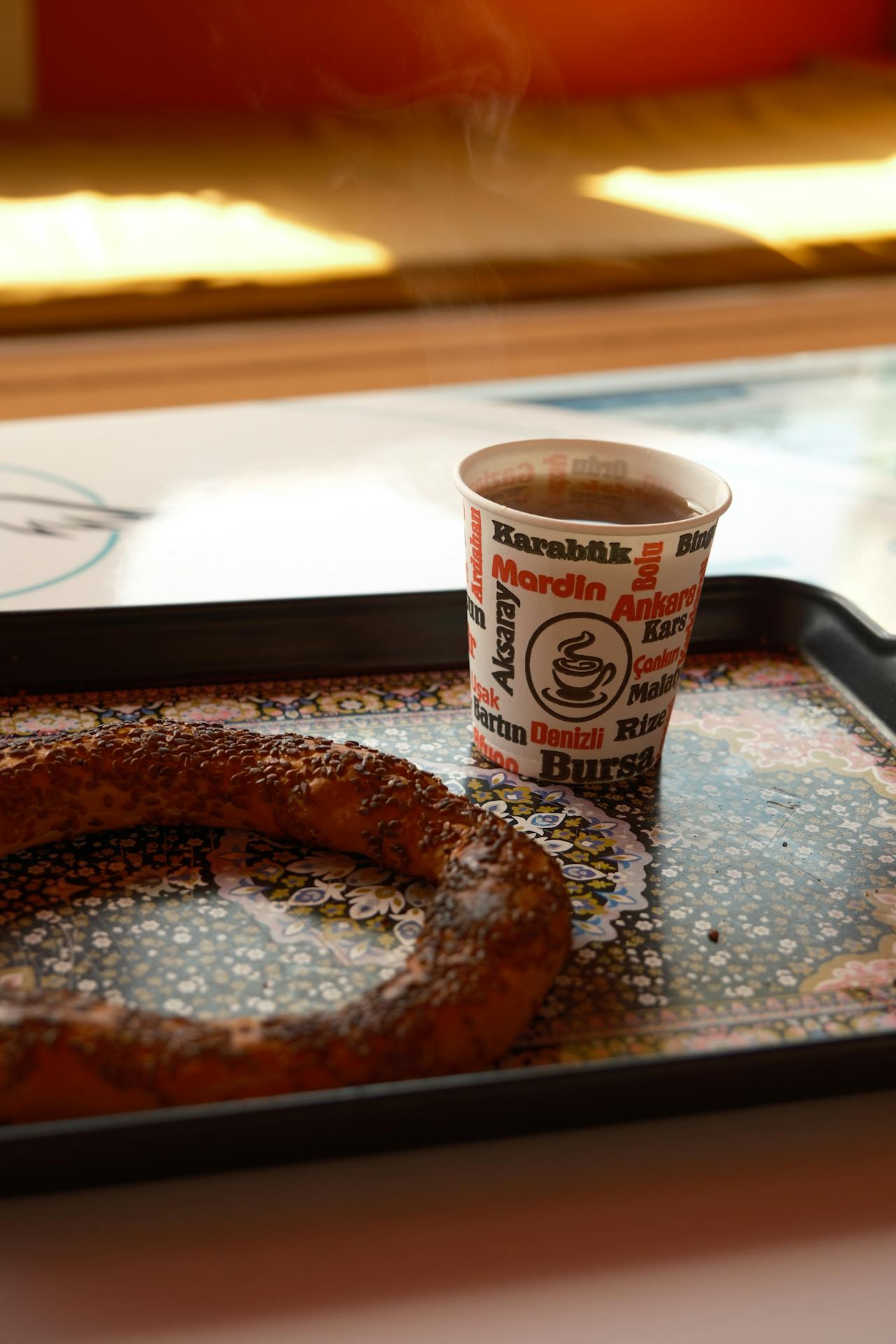
Turkish coffee is always served with a small glass of water (to cleanse the palate before drinking) and something sweet — traditionally a piece of lokum (Turkish delight). The coffee should sit for approximately 1–2 minutes after pouring to allow the grounds to fully settle before the first sip. Drinking the last sip (which would mean consuming the grounds) is considered poor form.
**Fortune Telling (Tasseography):**
After finishing the coffee, the cup is inverted onto the saucer and left to cool for several minutes. When the cup is lifted, the pattern of dried grounds left on the interior walls and the saucer forms the basis for tasseography — the reading of fortunes from coffee grounds. This practice (Turkish: fal okumak) is taken with varying degrees of seriousness, from lighthearted social entertainment to a genuine belief system. In Cappadocia, as across Turkey, it is one of the most enjoyable and culturally resonant social rituals a visitor can participate in. Several tour operators and cave cafes offer guided 'Turkish Coffee Experience' sessions that include the full ritual of preparation, service, and fortune reading.
**The Social Dimension:**
In Turkey, to offer coffee is to offer time. The expression 'bir fincan kahvenin kırk yıl hatırı vardır' — 'one cup of coffee is remembered for forty years' — expresses the weight of hospitality that a cup of coffee carries. Accepting an offer of coffee in someone's home or shop is not merely polite; it is a genuine social bond. Visitors to Cappadocia who allow themselves to sit, accept coffee, and stay for a conversation will invariably leave with a richer understanding of the culture than any museum visit can provide.
· 3 min read
Turkish Coffee Culture in Cappadocia: From Sand Brewing to Fortune Telling
Turkish coffee is a UNESCO-listed cultural tradition with deep roots in Cappadocia. Learn the ancient sand-brewing method, the etiquette, and the art of reading fortunes from the grounds.
Your stay
Let the story continue — in a cave of your own.
Wake to fairy chimneys, breakfast in the courtyard, the valley at your door.
Check availabilityKeep reading