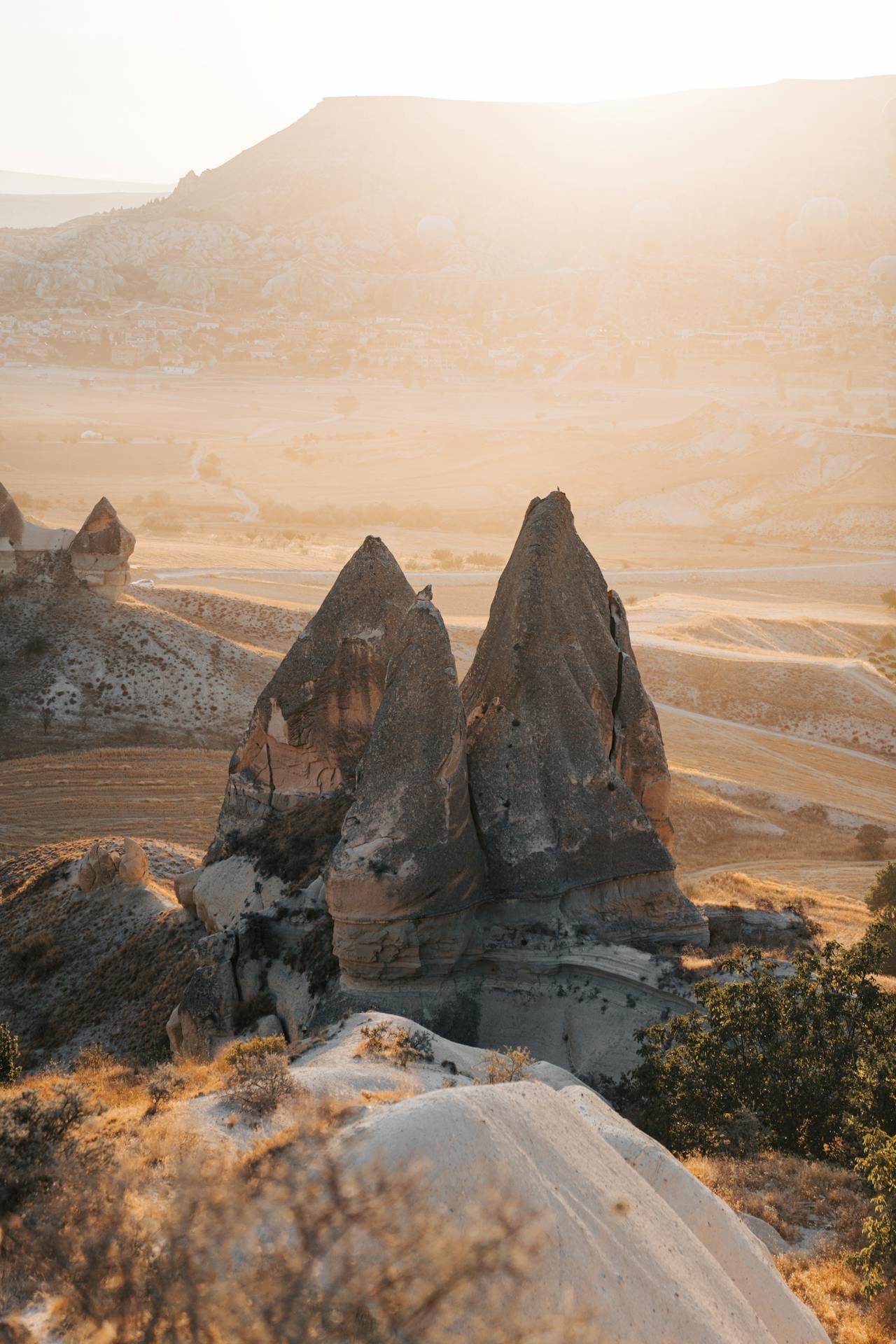
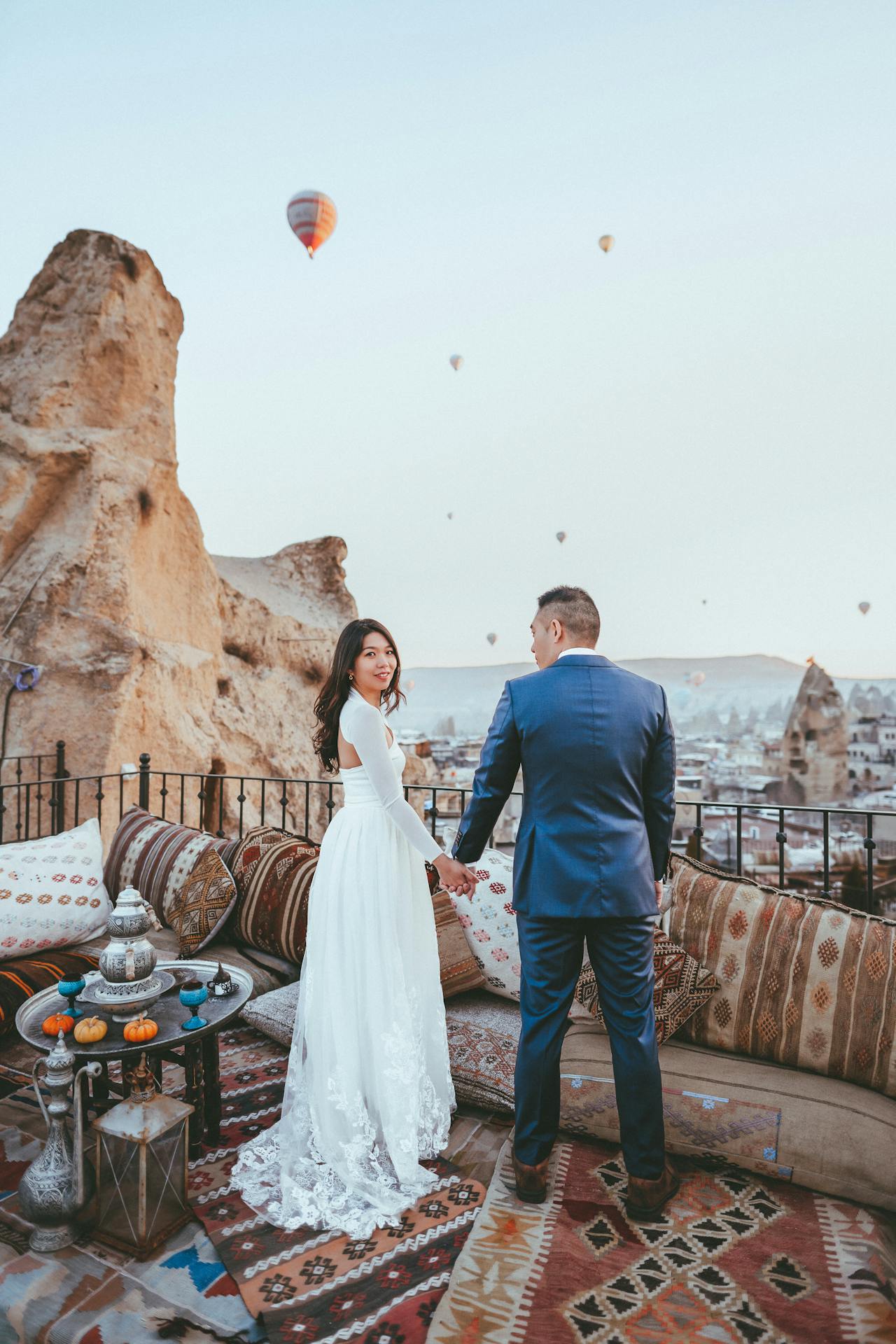
Food is culture. And in Cappadocia — where every dish carries centuries of Anatolian history, where the cooking methods (clay pots, tandır ovens, saç griddles) have barely changed in a thousand years, and where a grandmother's recipe for mantı is as carefully preserved as the frescoes in a Byzantine church — a cooking class is one of the deepest cultural experiences available to any visitor.
**What You'll Learn:**
A typical Cappadocian cooking class, led by a local home cook or restaurant chef, covers 3–5 dishes over 2–3 hours. The most enriching classes include:
**Mantı (Turkish Dumplings):** This is the ultimate labor of love in Anatolian cooking. The dough is made from scratch, rolled paper-thin, cut into tiny squares, filled with a seasoned meat or cheese mixture, and sealed with a fold and pinch that requires patient practice to perfect. Nevşehir-style mantı are smaller and often baked rather than boiled, giving them a distinctive toasted exterior. They are served with garlicky yogurt, melted red-pepper butter, and dried mint.
**Gözleme:** A beloved Turkish flatbread made by rolling a thin dough on a specialized wooden rolling pin, filling it with spinach and white cheese (or minced meat and onion), and cooking it on a convex metal griddle (saç). Learning to control the heat and flip the gözleme without tearing it is a skill that requires several tries — and the process is deeply enjoyable.
**Testi Kebabı (Clay Pot Kebab):** The theatrical centerpiece of Cappadocian cuisine. In cooking classes, participants prepare and season the meat and vegetable filling, seal the clay pot with dough, and place it in the oven — then wait as the aromas build over the following hour. Breaking the pot with a small hammer at the end is genuinely satisfying.
**Turkish Coffee:** Many classes include a traditional Turkish coffee session — ground to powder in a hand mill, cooked slowly in a copper cezve over sand or low heat, poured without straining so that the grounds settle at the bottom, and served with a piece of Turkish delight. The accompanying lesson in how to read fortunes from the coffee grounds is as culturally authentic as the drink itself.
**Baklava and Regional Desserts:** Some classes extend to Turkish sweets — the honey-and-pistachio baklava, the grape-molasses dolaz, or the milk pudding (muhallebi) — which are particularly enjoyable to make alongside a local teacher who explains the cultural significance of each preparation.
**Where to Book:**
Several restaurants and home kitchens in Göreme offer cooking classes. The most authentic experiences are typically with family-run establishments rather than commercial cooking schools — ask your hotel to recommend a local class. Classes typically run 2–3 hours including eating the meal you have prepared, and prices range from approximately €40–80 per person.
· 2 min read
Cooking Classes in Cappadocia: Learn to Make Authentic Anatolian Dishes
A hands-on cooking class in Cappadocia — learning to make mantı, gözleme, testi kebab, and baklava from local home cooks — is one of the most enriching cultural experiences available.
Your stay
Let the story continue — in a cave of your own.
Wake to fairy chimneys, breakfast in the courtyard, the valley at your door.
Check availabilityKeep reading